 By admin
You don’t need to perform large scale renovations or invest in the most expensive technology to create a more eco-friendly home. Many meaningful improvements come from small, intentional upgrades that reduce waste, save energy, and extend the lifespan of the materials and systems you already use every day. Homeowners across the country are increasingly looking for practical ways to shrink their environmental footprint while also improving comfort, efficiency, and property value. The good news is that sustainable living can be introduced room by room and project by project, allowing you to make progress at a pace that fits your budget and lifestyle.
Eco friendly upgrades are especially powerful because they often support multiple benefits at once. A single change might lower monthly utility bills, reduce reliance on finite resources, and create a healthier indoor environment for your family. Over time, these efforts contribute to long term sustainability and help protect natural ecosystems beyond your property line. Whether you want to begin with simple recycling habits or focus on larger efficiency upgrades, each step plays a role in creating a greener home.
If you’re looking for some approachable and practical improvements to make to your home, this is a great place to start. By just making a few habit changes or some minor home upgrades, you can start making more of an effort toward greener living. From smarter recycling practices and responsible disposal methods to upgrading major systems and caring for your yard, these strategies are designed to support environmental stewardship in everyday life.
Focus on Recycling Efforts
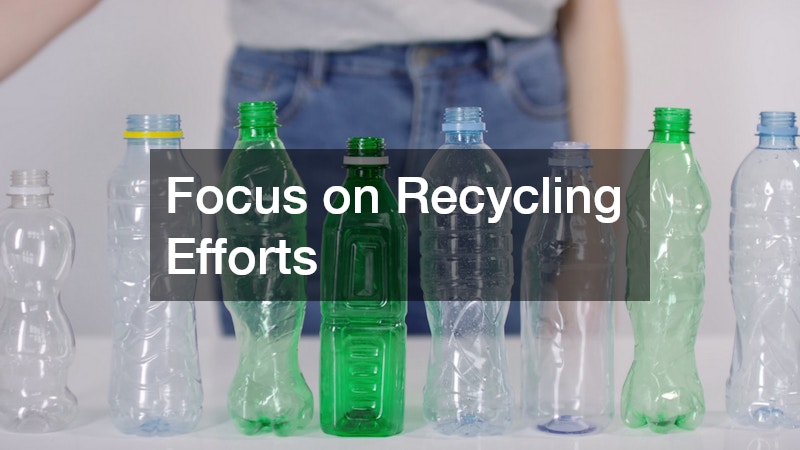
One of the simplest and most accessible ways to make your home more eco friendly is to strengthen your household recycling habits. Many people already recycle paper, cardboard, and plastic, but there are additional materials and items that often end up in landfills unnecessarily. Metals, appliances, and scrap materials can typically be repurposed and given new life through specialized services. Working with a local metal recycling service allows you to responsibly dispose of old tools, broken hardware, or leftover renovation materials in a way that supports resource conservation and reduces landfill waste.
Strengthening your recycling efforts also encourages more mindful purchasing habits. When you become aware of how different materials are processed or reused, you may naturally choose products with recyclable packaging or longer lifespans. This creates a positive cycle of conscious consumption, responsible disposal, and environmental preservation. Families can turn recycling into a shared effort by creating designated bins, labeling containers, and talking with children about how everyday actions contribute to a cleaner planet. Over time, these habits become second nature and help transform your household into a more sustainable environment.
Dispose of Used Oil or Chemicals
Responsible disposal practices are essential for protecting soil, groundwater, and local ecosystems. Many households store products like automotive fluids, paints, solvents, or cooking oil without realizing that improper disposal can cause environmental damage. Pouring these materials down drains or placing them in regular trash bins may lead to contamination issues that affect wildlife and community water systems. A more sustainable approach is to participate in used cooking oil recycling, which ensures that oil is processed safely and often converted into renewable resources such as biodiesel or industrial fuel.
Proper chemical and oil disposal also contributes to household safety. Old containers can leak over time, creating fire hazards or releasing strong fumes that affect indoor air quality. By clearing out outdated or unused products and using approved recycling or collection programs, you reduce clutter while supporting eco friendly waste management. Many communities offer scheduled drop off events or local facilities that specialize in handling hazardous materials, and some areas even provide curbside pickup services for specific items to make participation more convenient.
Taking advantage of these resources demonstrates environmental responsibility and prevents harmful substances from entering natural ecosystems. Homeowners can go a step further by keeping an inventory of stored chemicals, sealing containers tightly, and avoiding the mixing of different substances, which can create dangerous reactions. Reading product labels, following manufacturer disposal instructions, and keeping hazardous materials out of reach of children and pets all contribute to a safer home environment. Even small actions, such as storing containers properly and labeling materials clearly, can help ensure that disposal remains safe, efficient, and environmentally sound while reinforcing long term sustainability habits within your household.
Upgrade Your Roof
Your roof plays a major role in your home’s energy efficiency, temperature regulation, and environmental impact. Older or damaged roofing materials can contribute to heat loss in winter and heat absorption in summer, leading to higher utility usage and reduced comfort. Modern materials and construction techniques can improve insulation and durability while supporting sustainability. Working with reputable roofing companies allows you to explore eco friendly options such as reflective shingles, recycled materials, or designs that extend the overall lifespan of your roof.
In addition to material upgrades, homeowners can benefit from consulting local residential roofing services that understand the climate conditions and seasonal demands of your specific region. Local professionals can recommend strategies that balance structural integrity with environmental performance, helping your roof function more efficiently year round. This may include improved ventilation, moisture control, or environmentally conscious material selection. These upgrades not only support energy conservation but may also enhance curb appeal and increase property value.
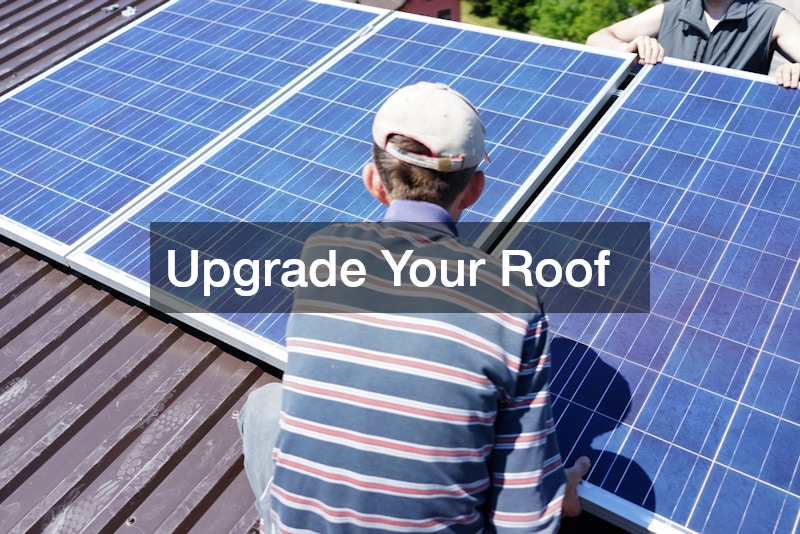
Another impactful improvement involves integrating renewable energy technology. Many households are now exploring solar panel installation as a practical way to generate clean electricity and reduce dependence on traditional power sources. Solar systems have advanced significantly in recent years, becoming more efficient, longer lasting, and widely accessible. By harnessing natural energy from the sun, homeowners can lower their utility expenses and contribute to reduced carbon emissions. When combined with durable roofing materials and proper structural support, this upgrade creates a powerful foundation for long term sustainability.
Check Your HVAC System
Heating and cooling systems account for a significant portion of household energy use, which means improving their performance can greatly influence both environmental impact and utility costs. Regular inspection and servicing by qualified heating and cooling contractors ensures that your system operates at peak efficiency. These professionals can identify worn components, airflow issues, or outdated equipment that may be consuming more energy than necessary. Routine maintenance often includes cleaning filters, testing airflow, checking refrigerant levels, and evaluating system performance to help maintain consistent comfort throughout your home while minimizing wasted energy.
A well maintained HVAC system does more than control temperature. It also supports better indoor air quality by reducing dust buildup, allergens, and other airborne particles that can circulate through neglected equipment. Homeowners who schedule seasonal tune ups are often able to spot minor inefficiencies before they become major performance problems, which helps reduce both operational costs and environmental strain. Simple habits, such as replacing air filters on a regular schedule and keeping vents clear of furniture or dust, can further improve circulation and reduce the workload placed on the system.
Over time, mechanical systems naturally experience wear and tear. Addressing emerging problems early helps prevent excessive strain on your equipment and avoids unnecessary energy usage. Investing in ac repairs regularly can help extend the lifespan of your unit and reduce the likelihood of costly breakdowns, especially during peak weather seasons when systems are under added pressure. Upgrading to modern, high efficiency models can further decrease consumption and improve indoor air quality, particularly when paired with options such as variable speed motors or energy efficient compressors.
Smart thermostats, zoned climate control, and programmable settings also give homeowners greater control over temperature management, helping to reduce waste while maintaining comfort. These tools make it easier to align system operation with daily routines, preventing unnecessary heating or cooling when rooms are unoccupied. When your HVAC system is properly maintained and supported by energy conscious technology, your home becomes more efficient, sustainable, and comfortable year round, all while reducing your overall environmental footprint.
Reduce Water Waste

Water conservation is an essential component of eco friendly living. Even minor leaks or inefficient fixtures can result in significant water loss over time. Although some issues may seem small, they can quietly increase utility bills and strain local water resources. One common source of waste comes from leaking water heaters, which not only waste water but may also signal structural or mechanical problems. Addressing these leaks promptly helps prevent further damage, improves system efficiency, and reduces unnecessary water consumption.
Homeowners can also explore additional strategies to limit water use without sacrificing daily convenience. Installing low flow fixtures, repairing dripping faucets, and monitoring household water habits all contribute to meaningful conservation. Simple lifestyle adjustments, such as shorter showers or mindful dishwashing practices, can generate noticeable savings over time. Outdoors, collecting rainwater for gardening or upgrading to efficient irrigation tools further reduces reliance on municipal water supplies. When combined, these small efforts create measurable environmental benefits and support more sustainable water management within your household.
Maintain Temperature Control
Temperature control is closely tied to both comfort and energy efficiency. Homes that lack proper insulation experience heat transfer through walls, ceilings, and floors, causing heating and cooling systems to work harder than necessary. Investing in insulation installation helps stabilize indoor temperatures by creating a protective barrier that minimizes energy loss. This upgrade can make rooms feel more comfortable throughout the year while reducing the strain placed on mechanical systems.
Improved insulation also supports long term sustainability by lowering overall energy consumption. When less energy is required to maintain consistent temperatures, households produce fewer emissions and experience lower utility costs. Modern insulation materials are designed to be durable, efficient, and moisture resistant, which helps protect structural components from damage. In many cases, homeowners notice significant improvements in both comfort and energy performance shortly after installation. By strengthening your home’s thermal envelope, you create a more environmentally responsible and cost effective living space.
In addition to insulation improvements, there are other temperature control options that can enhance home efficiency. Air sealing is one of the most effective companion upgrades, as gaps around windows, doors, basements, and attics can allow conditioned air to escape. Weatherstripping, caulking, and installing door sweeps help reduce drafts and prevent unnecessary heat transfer. Energy efficient windows and window films can further limit solar heat gain in warmer months while retaining warmth in colder seasons.
Ceiling fans and whole house fans can also support more efficient temperature regulation by improving airflow and reducing reliance on mechanical cooling during mild weather. Thermal curtains, exterior shading, and strategic landscaping around sunny areas of the home can help block excess heat before it enters the living space. Even small adjustments, such as closing blinds during peak sunlight hours or rearranging furniture to keep vents unobstructed, can contribute to better circulation and steadier indoor temperatures.
Build an Eco-Friendly Yard
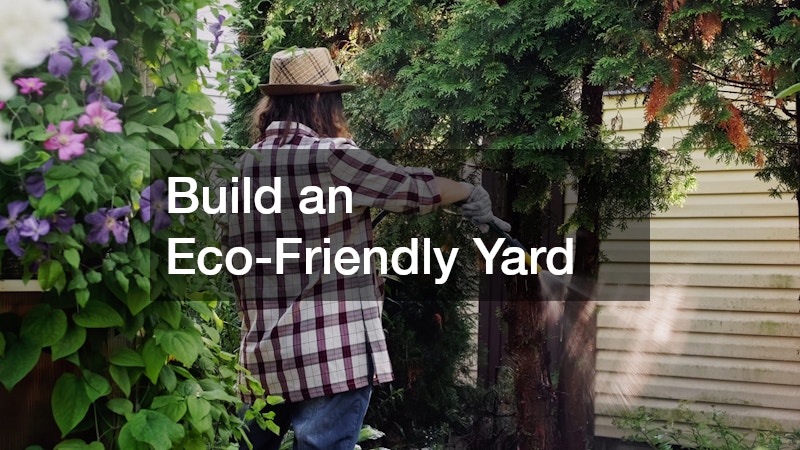
Sustainability extends beyond your home’s interior and into the outdoor spaces that surround it. Thoughtful landscape design can support local ecosystems, promote natural water absorption, and reduce the need for intensive maintenance. Partnering with local tree services can help you select appropriate tree species, maintain healthy growth, and ensure safe trimming or removal when necessary. Healthy trees provide shade, improve air quality, and create habitats for wildlife, all while contributing to a more visually appealing and environmentally conscious yard.
Another key component of eco friendly landscaping is efficient irrigation management. Outdated or poorly adjusted systems can waste large amounts of water through overspray or evaporation. Working with professionals who offer sprinkler services allows you to fine tune watering schedules, repair leaks, and install smarter technology that distributes water only where and when it is needed. Complementing this with drought tolerant plants, native vegetation, and mulch beds can further reduce water use while enhancing soil health.
Eco friendly yards not only benefit the environment but also create peaceful and inviting outdoor spaces. Gardens filled with pollinator friendly plants, functional shade areas, and natural design elements encourage relaxation and connection with nature. These improvements help transform your yard into a personal green space that supports both ecological balance and everyday enjoyment.
Creating a more eco friendly home is a gradual and rewarding journey built on thoughtful decisions and purposeful upgrades. Each improvement, whether simple or extensive, contributes to long term sustainability and environmental responsibility. By strengthening recycling habits, managing waste properly, upgrading essential systems, and caring for both indoor and outdoor spaces, homeowners can make meaningful progress toward a greener lifestyle. These changes not only support the health of the planet but also enhance comfort, efficiency, and overall quality of life within the home. With consistent effort and mindful planning, every household has the ability to move toward a more sustainable future.