 By Smart Thrifty Fixes
Key Takeaways:
-
Dynamic vs. Static Control: Traditional systems rely on rigid, pre-programmed timers that water on the same schedule regardless of the weather, while smart systems use real-time internet data and sensors to adjust watering automatically.
-
Significant Resource Conservation: Smart controllers can reduce outdoor water waste by twenty to fifty percent by eliminating unnecessary watering cycles during rainstorms or cool weather.
-
Improved Plant Longevity: By watering only when the soil genuinely requires moisture, smart systems prevent overwatering, root rot, and fungal diseases while encouraging deep, drought-resistant root structures.
-
Lower Operating Expenses: The upfront cost of upgrading to a connected controller is typically recovered within one to two seasons through reduced monthly utility bills and the avoidance of high-usage municipal pricing tiers.
-
Convenience and Monitoring: Smart irrigation allows for complete remote management via smartphone applications and can automatically detect hidden plumbing leaks, shutting down damaged zones before structural damage or flooding occurs.
-
Streamlined Upgrades: For properties with existing underground plumbing, upgrading is often as simple as swapping out the old wall-mounted timer box for a Wi-Fi-enabled controller without needing to dig up the yard.
Keeping a lawn lush, green, and healthy requires a consistent watering routine. For decades, the standard way to achieve this was through a traditional automatic sprinkler system. You set a timer, the sprinklers popped up at a specific hour, sprayed water for a predetermined number of minutes, and retracted. It was a massive upgrade from moving a manual hose around the yard, but it had a major flaw: it was completely blind to environmental changes.
In recent years, technology has fundamentally changed how we manage outdoor spaces. Smart irrigation systems have emerged as a revolutionary alternative to old-school timers. Instead of relying on rigid, manual schedules, these advanced systems use real-time data, internet connectivity, and hyper-local sensors to determine exactly when and how much to water.
If you are tired of watching your sprinklers run during a torrential downpour or noticing brown patches despite watering every day, understanding the differences between these two systems is essential. Let us dive deep into what makes an irrigation system smart, how it stacks up against traditional systems, and why making the switch could transform your landscape and your monthly bills.
What Exactly Is a Traditional Sprinkler System?
To understand the value of smart technology, it helps to look at the baseline. A traditional sprinkler system relies on a mechanical or digital clock controller. When you program this controller, you tell it to turn on specific zones of your yard on set days of the week for a fixed duration.
The primary characteristic of this setup is that it is static. The controller does not know if it rained three inches yesterday, nor does it know if a heatwave is pushing temperatures past one hundred degrees. It simply executes the command it was given weeks or months ago.
While some traditional systems can be retrofitted with a basic rain click sensor, these sensors are purely reactive. They only interrupt the watering cycle once a specific amount of rain has physically filled a small basin or expanded a cork disc inside the device. Once the sensor dries out, the system reverts right back to its rigid, blind schedule.
How Do Smart Irrigation Systems Work?
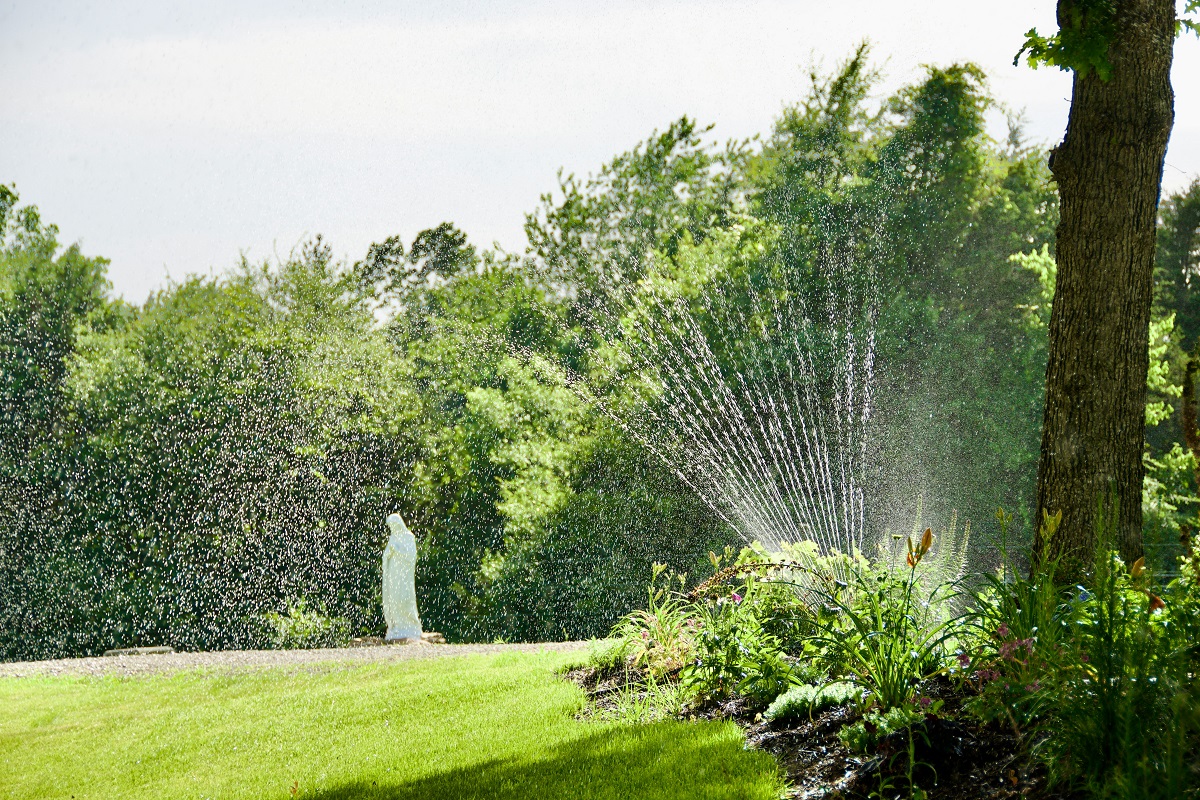
Smart irrigation systems replace the old-fashioned clock with a mini-computer connected to the internet. Instead of sticking to a rigid calendar, a smart controller dynamically recalculates your watering schedule every single day based on actual environmental conditions.
These systems gather information from two primary sources to make intelligent decisions.
Weather-Based Controllers (ET Controllers)
These controllers track evapotranspiration, which is the combination of water evaporating from the soil surface and the water transpired by your plants. The system connects to local weather feeds via Wi-Fi to monitor temperature, humidity, wind speed, and solar radiation. If the weather forecast calls for rain, or if a cool, humid day reduces evaporation, the controller automatically skips or reduces the watering cycle.
Soil Moisture Sensors
Instead of relying on weather forecasts, some smart systems use sensors buried directly in the root zones of your lawn and garden beds. These sensors measure the volumetric water content of the soil. When the moisture drops below a specific threshold customized for your soil type and plant species, the controller opens the valves. Once the soil reaches optimal moisture levels, it shuts the water off, completely preventing overwatering.
What Are the Key Structural Differences?
When you look at a yard with a smart system versus one with a traditional setup, the underground pipes and subterranean valves are usually identical. The magic lies entirely in the brain of the system and the data inputs it uses.
Traditional setups feature standard zone valves wired back to a simple wall-mounted timer box in the garage. The user must manually turn a dial or press arrow keys to update the schedule when the seasons change.
Smart systems utilize a Wi-Fi-enabled controller that connects seamlessly to a smartphone application. This allows you to manage your entire yard from anywhere in the world. Furthermore, smart systems often feature advanced flow meters that can detect a broken sprinkler head or an underground line leak, immediately shutting down the compromised zone and sending an alert to your phone before your yard floods.
Why Are Homeowners Shifting to Smart Technology?
The shift toward automation and connected property management is accelerating rapidly. Homeowners are realizing that old-school utilities waste an incredible amount of money and effort. Upgrading to a connected watering setup has become one of the most practical eco-friendly home upgrades available today, offering an immediate reduction in resource consumption while actively improving property aesthetics.
Beyond the clear environmental benefits, the sheer convenience drives the transition. Instead of walking out to the garage in the dark to turn off the system because a storm is rolling in, the software handles everything in the background. It bridges the gap between modern technology and natural landscape preservation, turning a tedious property chore into a hands-off, optimized process.
How Much Water Do Smart Irrigation Systems Actually Save?
Water waste is the biggest problem plaguing traditional sprinklers. Because standard timers cannot adapt to the weather, they routinely overwater lawns. According to data from the Environmental Protection Agency, outdoor water use accounts for a massive portion of residential water consumption, and up to fifty percent of that water is wasted due to evaporation, wind drift, and inefficient scheduling.
Smart irrigation systems directly eliminate this waste. By analyzing real-time data, these systems apply water precisely when the soil is capable of absorbing it.
-
Evaporation Reduction: Smart systems favor early morning cycles when wind and temperatures are lowest, ensuring water sinks deep into the earth instead of turning into vapor.
-
Runoff Prevention: Instead of dumping an hour’s worth of water onto hard clay soil all at once, smart controllers can split watering times into shorter, repeated cycles, giving the ground time to absorb the liquid.
-
Rain Skipping: If local weather stations report incoming precipitation, the system pauses upcoming cycles, saving thousands of gallons over a single season.
Studies show that making the switch can lower outdoor water usage by twenty to fifty percent. For a standard suburban household, that translates to thousands of gallons of clean water saved annually.
Will a Smart System Save You Money on Utility Bills?

Because water prices are rising steadily in municipalities across the country, wasting water is an expensive habit. A traditional system that runs during a rainstorm is quite literally washing your hard-earned money down the storm drain.
While a smart irrigation controller requires an upfront investment, the reduction in your monthly water bill means the system typically pays for itself within one to two seasons. If you live in an area with strict water rationing or tiered pricing structures, where using water past a certain threshold triggers massive financial penalties, the savings accumulate even faster. The system ensures you never accidentally step into those expensive high-usage pricing brackets.
How Do the Systems Impact Lawn and Plant Health?
Many people assume that more water equals a healthier lawn, but overwatering is actually one of the primary causes of plant disease, root rot, and fungal growth. When soil is constantly saturated, oxygen cannot reach the root zone, effectively suffocating your turf.
Traditional sprinklers encourage shallow root growth because water is constantly available at the very top layer of the soil. This makes your lawn incredibly vulnerable to heatwaves and droughts.
Smart irrigation systems promote a healthier ecosystem through precision watering. By waiting until the soil genuinely needs moisture before triggering a cycle, the system forces grass roots to grow deeper into the earth in search of water. Deeper root structures create a much more resilient, drought-tolerant lawn that can withstand intense summer heat. The system can also be customized based on the specific flora in each zone, ensuring your delicate flowers get gentle, frequent watering while your established shrubs receive deep, infrequent soaking.
Is the Installation Process Difficult?
If you already have a working automatic sprinkler system, upgrading to a smart setup is surprisingly simple. In most cases, you do not need to dig up your yard or replace any underground plumbing. The upgrade simply involves removing your old, basic timer box from the wall and mounting the new smart controller in its place.
You disconnect the low-voltage zone wires from the old terminals and slot them into the corresponding zones on the new smart device. Once plugged in, you connect the controller to your home Wi-Fi network using a smartphone app. The setup wizard will guide you through entering details for each zone, such as the type of plants growing there, the soil consistency, and the amount of sun exposure the area receives.
However, if you are installing a brand-new irrigation system from scratch, or if your old system has complex zoning issues and broken valves, the job becomes significantly larger. Tuning individual zones, balancing water pressure, and wiring multiple sensors correctly can quickly become overwhelming for a weekend DIY enthusiast. For comprehensive installations or system overhauls, relying on expert help for home maintenance tasks ensures the plumbing, electrical connections, and data sensors are calibrated perfectly from day one.
What Are the Main Features to Look For in a Smart Controller?
Not all smart watering systems are created equal. If you are shopping for a new controller, there are several key features you should prioritize to get the most out of your technology.
EPA WaterSense Certification
Always look for the WaterSense label on the box or product description. This certification ensures the device has passed rigorous independent testing for efficiency and performance, proving it can reduce water use without sacrificing plant health. Many local water utilities offer significant financial rebates specifically for homeowners who install WaterSense-certified devices.
Hyper-Local Weather Adjustments
Some budget smart systems use general regional weather data, which might pull information from an airport thirty miles away. The best controllers use advanced hyper-local forecasting networks or allow you to link a personal personal weather station installed on your property for maximum accuracy.
App Usability and Smart Home Integration
The smartphone app is your primary interface for managing your yard. Look for software that is intuitive, easy to navigate, and highly rated in app stores. If you enjoy home automation, check if the controller integrates natively with platforms like Amazon Alexa, Google Assistant, or Apple Home, allowing you to activate specific zones using simple voice commands.
Manual Controls on the Unit
While managing your yard from a phone is highly convenient, there are times when you, a landscaper, or a technician will need to turn on the sprinklers while standing right at the control box. Ensure the physical unit has a basic screen or physical buttons that allow for manual overrides without needing a smartphone present.
Are There Any Downsides to Smart Irrigation?
While the benefits are overwhelming, it is important to look at the complete picture. Smart irrigation systems do come with a few unique challenges that you should consider before making the transition.
First, they rely entirely on a stable home Wi-Fi network. If your control box is located in a detached shed or a far corner of a concrete garage, the signal might struggle to reach it. If the controller loses connection, it will typically default to a conservative internal backup schedule, but you will temporarily lose the dynamic updates and remote app controls until connectivity is restored.
Second, there is a minor learning curve. While the automation handles the day-to-day work, setting up the initial profiles for your soil type, slope, and plant species requires a little bit of research. Inputting incorrect data can lead the system to under-water or over-water until you adjust the parameters.
Which System is Right For Your Property?
To summarize the core differences between these two approaches to lawn care, we can look at how they manage various environmental and operational factors side by side.
| Feature | Traditional Sprinkler Systems | Smart Irrigation Systems |
| Scheduling Basis | Fixed, manual timers and calendars | Real-time weather data and soil moisture |
| Control Method | Physical dials and buttons on a wall box | Smartphone apps, voice control, and automation |
| Water Efficiency | Low; high risk of runoff and evaporation | High; optimizes water based on plant needs |
| Leak Detection | None; requires manual visual inspection | Automated; tracks flow rates and sends alerts |
| Initial Cost | Affordable upfront, higher long-term utility costs | Moderate upfront investment, lowers monthly bills |
| Lawn Health Impact | Can cause shallow roots due to overwatering | Promotes deep roots and disease prevention |
If you have a very small yard, live in an area with highly predictable weather patterns, or simply prefer offline devices that never require a software update, a traditional timer can get the job done provided you are diligent about turning it off manually when it rains.
However, for homeowners dealing with unpredictable weather, rising water rates, complex landscaping, or busy schedules, a smart irrigation system is the superior choice. It takes the guesswork out of property management, protects your investment in your landscaping, and ensures you never waste a precious natural resource. Moving away from rigid mechanical timers is a smart move for your wallet, your schedule, and the health of your lawn.
Final Thoughts
Transitioning from a traditional sprinkler system to smart irrigation is more than just a tech upgrade; it is a fundamental shift in how we interact with and manage our properties. By moving away from rigid, outdated timers and embracing responsive, data-driven automation, you create a sustainable outdoor space that thrives in harmony with nature rather than fighting against it.
While the initial setup requires a bit of planning and an upfront investment, the compounding rewards—ranging from drastically lower utility bills to a noticeably greener, more resilient lawn—make it an incredibly worthwhile investment. In an era where resource conservation and effortless efficiency are top priorities for property owners, upgrading the brain of your irrigation system is one of the smartest decisions you can make for your home, your wallet, and the environment.